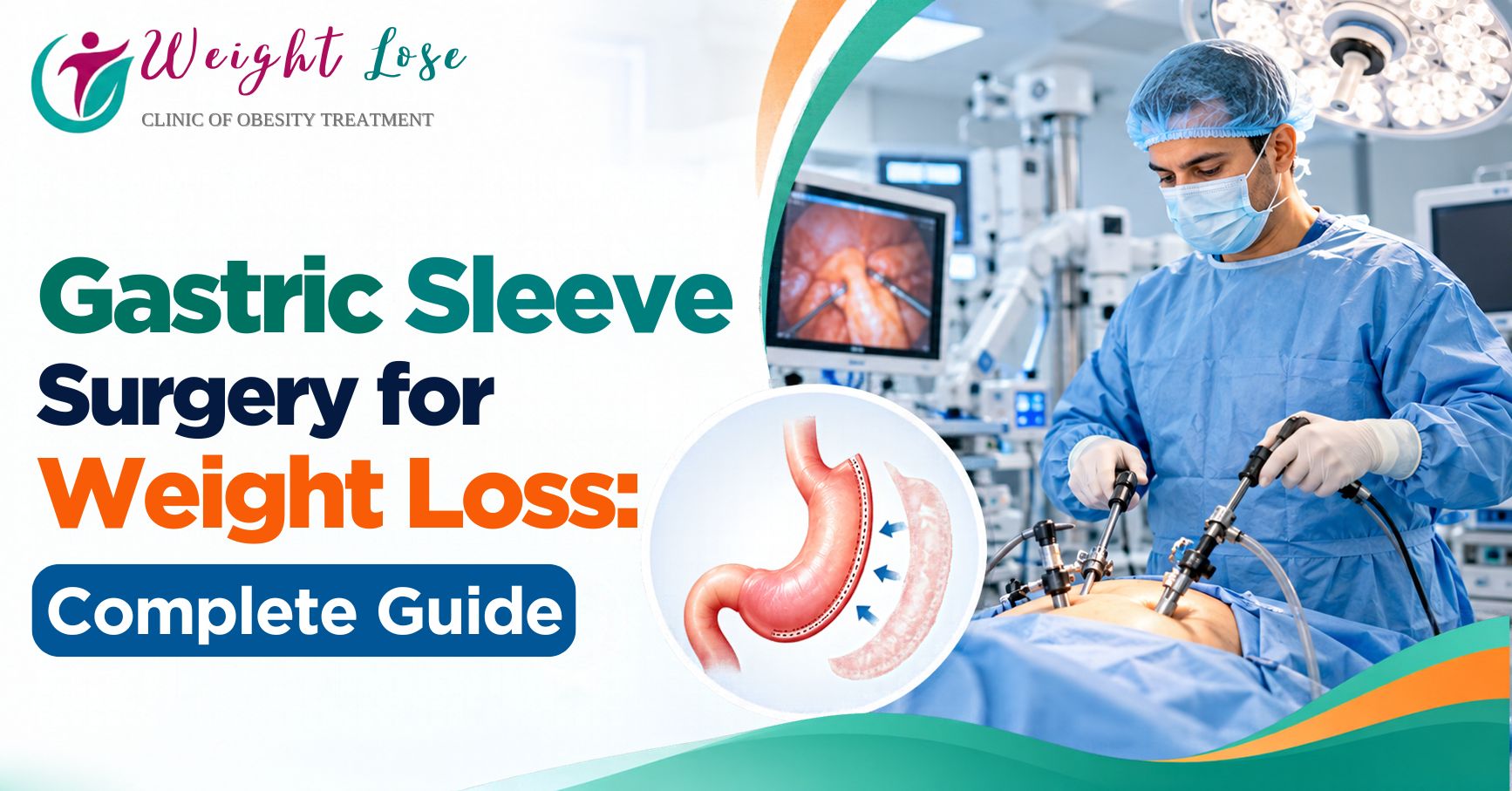
Gastric Sleeve Surgery for Weight Loss: Complete Guide
Losing weight isn't always as simple as eating less and exercising more. For someone struggling with severe obesity, the usual advice can feel frustratingly inadequate. The weight comes back. Energy drops. Health problems pile up.
That is where gastric sleeve surgery for weight loss in Delhi may become an option worth discussing with a qualified bariatric surgeon.
Gastric sleeve surgery, also called sleeve gastrectomy, is a bariatric procedure in which a large portion of the stomach is removed, leaving behind a smaller, sleeve-shaped stomach. The result? You feel full sooner, eat smaller portions, and, importantly, the surgery can also influence hormonal signals involved in hunger and appetite.
Simple idea. Major decision.
How Does Gastric Sleeve Surgery Work?
Think of the stomach as a flexible reservoir. A sleeve procedure reduces that reservoir substantially, so a meal that once seemed normal may suddenly feel like far too much.
During the operation, the surgeon removes approximately 70–80% of the stomach, creating a narrow sleeve. Because the stomach is smaller, food intake naturally decreases. Changes in hunger-related hormones may also help reduce appetite, which can make long-term weight management more achievable for suitable patients.
But surgery isn't a magic eraser for years of weight-related habits.
Food choices still matter. Movement still matters. Follow-up still matters.
Who May Benefit From Sleeve Gastrectomy?
Gastric sleeve surgery is generally considered for people with obesity when lifestyle-based weight management hasn't produced sufficient or sustainable results, particularly when obesity is affecting overall health.
Conditions such as type 2 diabetes, high blood pressure, sleep apnoea and other obesity-related problems may also influence the treatment decision.
Your BMI, medical history, previous weight-loss attempts, medications and existing health conditions all need to be assessed before surgery. There isn't one universal answer.
That assessment is where an experienced bariatric specialist becomes important.
What Is Recovery Like?
Most patients begin with liquids and gradually progress through different food textures as the stomach heals. Portions remain small, and eating too quickly can become uncomfortable.
Walking is usually encouraged early because recovery isn't meant to involve lying in bed all day. Over the following weeks, patients progressively return to normal activities according to their surgeon's advice.
Long-term follow-up may include nutritional guidance, supplements, physical activity, and regular health checks.
Choosing the Right Bariatric Surgeon in Delhi
If you're researching gastric sleeve surgery for weight loss in Delhi, don't judge a clinic purely by a dramatic before-and-after photograph.
Ask harder questions.
Who will perform the procedure? How will your health be assessed beforehand? What happens after surgery? How are nutritional needs monitored? What support is available if something doesn't go according to plan?
At the Weight Loss Clinic, Dr Tarun Mittal focuses on helping patients understand their options before making such a significant decision. The conversation should never be only about losing kilograms; it should be about improving health, mobility, confidence, and everyday life.
Is Gastric Sleeve Surgery Right for You?
Maybe. Maybe not.
The right procedure depends on your individual health profile, weight history, and treatment goals. A consultation with Dr Tarun Mittal can help determine whether sleeve gastrectomy is appropriate and what the journey could look like in your particular case. Weight loss surgery changes the size of your stomach. The bigger goal is changing what obesity has been allowed to control.